

Manufacturing has always been good at making things. The challenge now is everything around the product: how fast you quote, how well your teams talk to each other, and how you look after customers after the sale.

In November 2025, HubSpot invited RECIPE to co-host its APAC manufacturing webinar. HubSpot's Ange McKenzie hosted, and Soazik from RECIPE was joined by two panellists whose businesses have made the shift. Here's what we covered.

Ange McKenzie
HubSpot
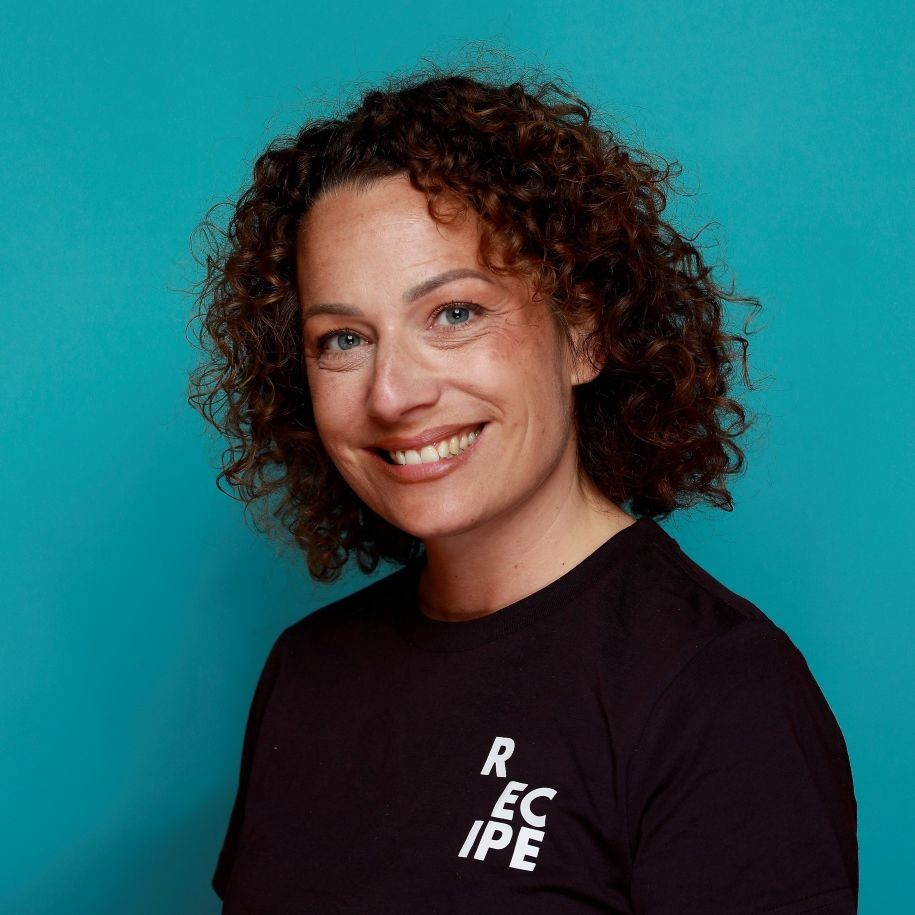
Soazik Shearer
RECIPE
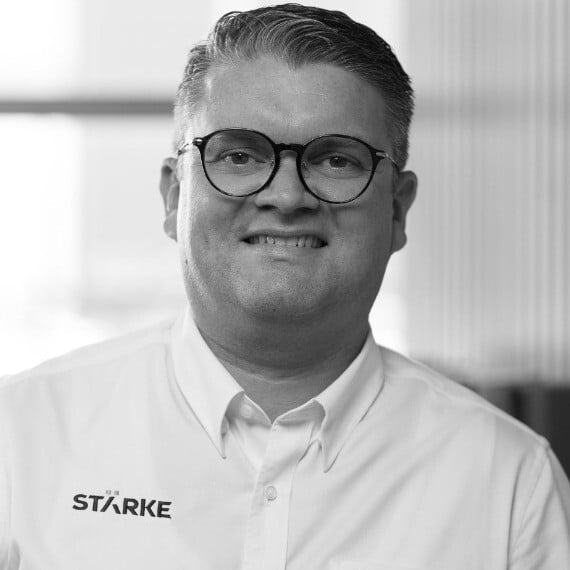
Ken Pridham
STÄRKE

Caleb Harriott
GoTransit
The results at a glance
21%
increase in sales month on month (STÄRKE)
135%
more meetings booked (GoTransit)
45%
less no-response from customers (GoTransit)
17%
more closed-won revenue, year on year (GoTransit)
The shift: from product-led to customer-led growth
Across Australia and New Zealand, we're seeing the same pressures play out:
- Tighter margins as demand slows
- More competition, including from low-cost offshore manufacturers
- The end of work simply rolling in. Manufacturers who relied on reputation now need to win on customer experience
When you can't compete on price alone, you compete on speed and service. Loyalty and retention become the way to protect margin.
Why your ERP isn't enough on its own
ERPs are excellent systems of record for production, stock and finance. They were never designed to manage customer engagement across the whole journey. When a business relies on its ERP alone, the same gaps appear:
- No single customer view combining communication, engagement and commercial data
- Reactive follow-up. After a quote goes out, teams rely on memory or spreadsheets to chase it
- No early warning when an account starts ordering less
- Silos between teams. Sales may not know service is dealing with an issue
- Marketing can't run timely, targeted campaigns because the data is locked away
The answer isn't replacing what works. It's adding a front-office layer, with HubSpot sitting alongside the ERP, so sales, service and marketing can manage relationships proactively.
Five signs you're ready to modernise
- Repeat orders are declining and you're not sure why
- Leaders are asking for visibility of forecasting, service load or sales activity
- Teams are building spreadsheets and workarounds to manage quoting or follow-up
- Service demand is growing faster than the team can respond
- There's a growing sense that operational excellence alone no longer wins the work
What our panellists told us
STÄRKE: from "hopium" to live visibility
STÄRKE, a project and construction business, had been running sales through the CRM built into its ERP, MYOB Acumatica. Ken runs a strict "if it's not in CRM, it didn't happen" culture, but logging each call took 5 to 6 minutes per record. Across a team making 600 to 700 calls and 60 to 70 face-to-face meetings a month, that was "a huge time suck". Without reliable data, forecasting was, in Ken's words, "like flying a plane without instruments".
"It should be a supporting tool, a driving tool"
Ken Pridham, Commercial Director, STÄRKE, on what a CRM should be
Working with RECIPE, STÄRKE challenged its own sales process and split it into separate pipelines for each division, instead of forcing everything through one deal board. Since going live in August, STÄRKE has seen a 21% increase in sales month on month. Ken credits that to visibility: he can now see where his team is under pressure and step in to coach. His advice: start with the end in mind, and make sure leadership owns the rollout.
GoTransit: connect the front and back office
GoTransit, an advertising business with its own manufacturing function, also runs MYOB Acumatica. The ERP worked well for the back office, but the sales team couldn't see customer information or manage communication properly. Caleb's approach to connecting the two:
- Map your full workflow, from first enquiry through to delivery
- Build the integration mappings so data lands in the right place and nothing is re-keyed
- Phase the rollout with a partner. GoTransit started building workflows itself and found "a few more layers" than expected
"Having a partner like RECIPE to lean on, who can highlight all the things you might not have thought of, has been really important for us."
Caleb Harriott, Director of Operations and Partnerships, GoTransit
Nearly 12 months in, the sales team logs every deal as it happens rather than waiting until signature, which gives an accurate view of forward revenue. With leads allocated automatically and personalised follow-up sequences, GoTransit has seen 135% more meetings booked, 45% less no-response and 17% more closed-won revenue year on year.
What it looks like in practice
To close, Soazik walked through a simple day in the life inside HubSpot:
- Customer view: one company record combining ERP data (account number, credit limit, recent orders) with contacts, emails, meetings and any open warranty or maintenance issues
- Sales and forecasting: products and pricing pulled live from the ERP, separate pipelines for proposals and transactional orders, and sales orders created in the ERP automatically when a deal reaches the right stage
- Service: warranty, maintenance and installation requests triaged in HubSpot instead of a spreadsheet, with automatic customer updates, internal briefs and tasks as each job moves forward
Three takeaways
1. Visibility. When every team sees the full customer picture, missed upsells, forgotten follow-ups and service gaps disappear.
2. Responsiveness. In a competitive market, speed isn't a nice-to-have. It's how you win deals and keep customers.
3. Measurable return. Both businesses are closing more deals, forecasting with more confidence and saving hours every week.
Missed it live?
Hear Ken and Caleb tell their stories in their own words.